Vibe Coding Explained — How to Make a Game by Just Describing It
Vibe coding a game means describing it, playing it, and shipping it in one sitting. Here's what that actually looks like on Remix.
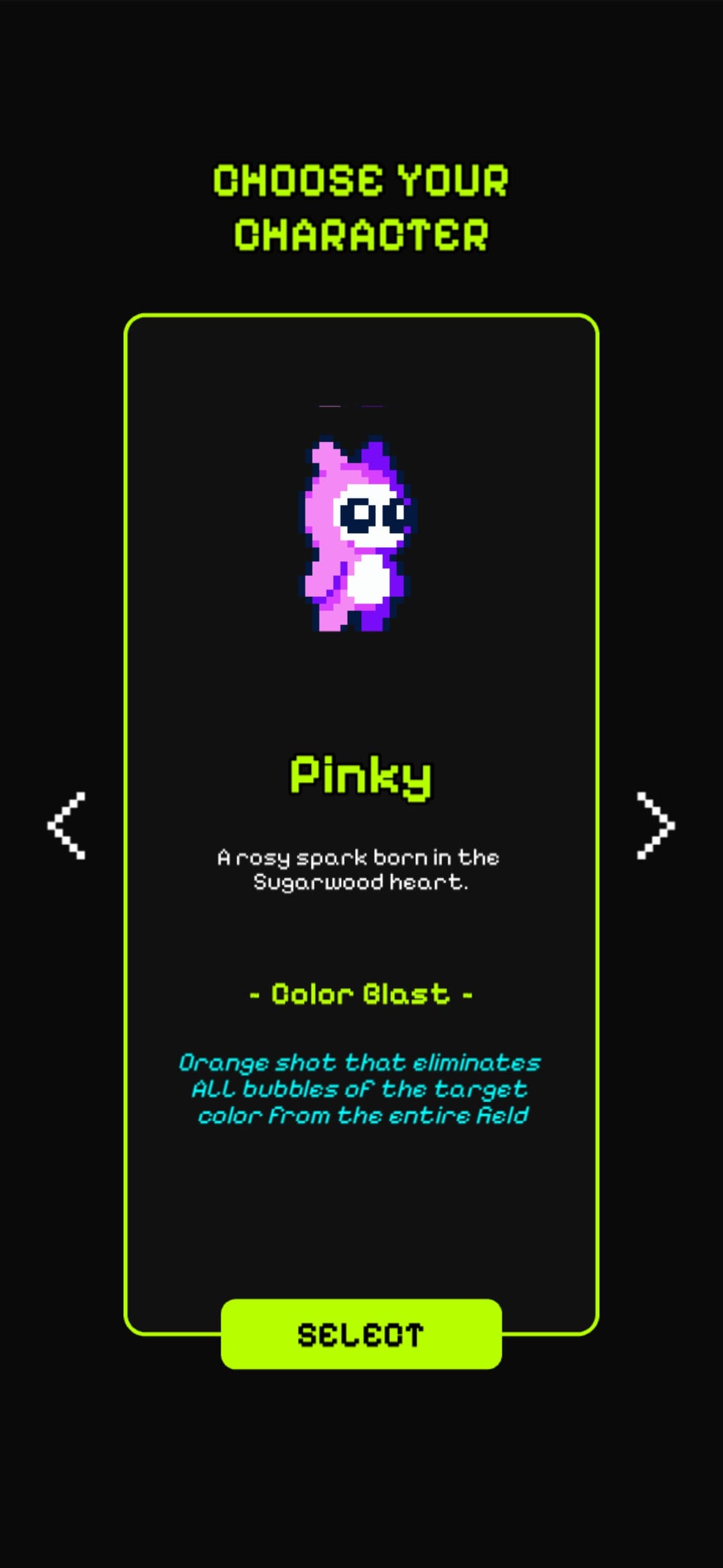
People keep asking me what "vibe coding" actually means, like it's some buzzword we cooked up to sound clever. It isn't. It's the most honest description of how making a game should feel, and for almost everyone, never has.
Here's the old path. You want to make a game. So first you learn Unity, or Unreal, for a few months. You fight the editor. You learn a scripting language. You wrestle a physics system you didn't ask for. Then, assuming you survive, you enter the app-store gauntlet: certificates, review queues, screenshots in seven sizes, a 30% tax, and a launch into a void where nobody's looking. By the time anyone plays your game, the spark that made you want to build it is long dead.
That's gatekeeping dressed up as "craft." And I'm done pretending it's noble.
Describe it, play it, ship it
Vibe coding flips the whole thing. You type a sentence. Something like "a neon ball you bounce up an endless tower, gets faster the higher you go." A few seconds later you're playing it. Not reading docs about it. Not configuring a build pipeline for it. Playing it. You tweak ("make the jump floatier," "add a combo meter," "darker palette") and it changes while you watch.
The AI handles the boilerplate. The collision math, the game loop, the input handling, the stuff that took me weeks to learn the hard way. What it does not do is bring the taste. That's still you. The AI will happily build a boring game with great code. Your job is to notice it's boring and say so. Vibe coding isn't "the machine makes the game." It's you make the decisions, the machine removes the friction between you and the next decision.
That loop, describe, play, tweak, repeat, is the whole thing. When the friction drops to near zero, you iterate ten times in the span it used to take to compile once. And iteration is where good games actually come from.
You bring taste, we remove the tax
This is the part the no-code-game-development crowd usually misses. The goal was never to make programming optional for its own sake. It's that there are millions of people with great game ideas and zero interest in spending six months learning a toolchain to express one of them. Roblox asks for a learning curve. Unity asks for a learning curve. We ask for a sentence.
And because Remix is a feed (a TikTok for games), shipping isn't a separate ordeal. The second your game's good, it's in the feed, in front of real players, free-to-play, no install. You make it, people play it, you see what lands. The build and the launch and the audience are the same motion.
Go look at what people are already vibe coding. 2048 rebuilt and remixed, little physics toys, full arcade loops, made by people who'd never opened a game engine in their life.
This is the manifesto, so I'll say it plainly: the next million game makers won't learn an engine. They'll just describe what they see in their head and watch it become playable. That's not a downgrade from "real" game dev. That's the unlock everyone's been waiting on for twenty years.
Stop reading about it. Type a sentence and watch it turn into a game, then drop it in the feed and see who plays.
Make something at remix.gg.